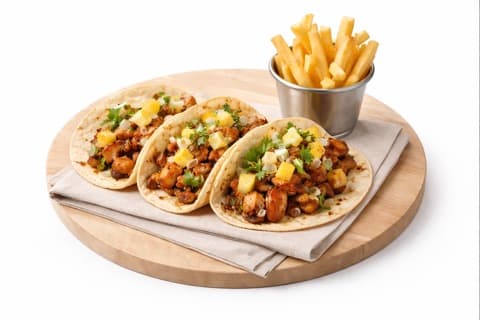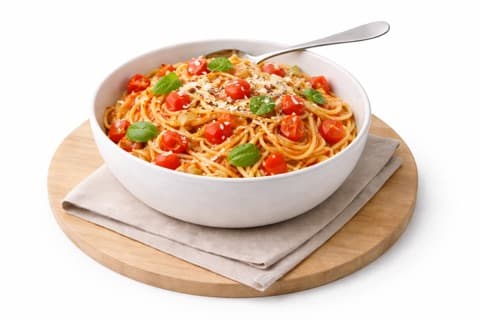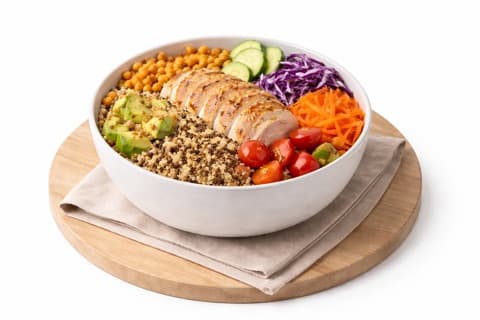
Rice and quinoa get most of the attention, and they earn it. But the list of naturally gluten-free grains runs deeper than the supermarket aisle suggests, and a few of the underused options outperform on protein, fiber, and sheer versatility. Here is a ranking of the ten worth knowing.
Why a longer grain list matters
About 1 in 100 Americans has celiac disease,1 and a wider group eats gluten-free for non-celiac sensitivity, wheat allergy, or personal choice. Most rely on rice and corn for daily carbs. That works, but it can leave nutritional ground uncovered. Sorghum, teff, and millet generally outperform white rice on iron, fiber, and complete-protein scores,3 and they typically cost about the same per pound at a co-op or an international grocery.
The ranking below covers ten grains and pseudo-grains that are gluten-free at the seed level. Cross-contamination risk can vary by grain and by brand, so each section names the specific certifications and producers worth checking before buying.
A small terminology note: the FDA’s gluten-free rule allows up to 20 parts per million of gluten in any food bearing the label.2 That is the working ceiling most researchers consider a practical limit for daily celiac consumption. The grains on this list, when sourced from certified producers,7 generally fall well under that line.
Top tier: rice and quinoa
Rice carries the gluten-free pantry on its back. White, brown, basmati, jasmine, glutinous (an unfortunately named but generally gluten-free Asian sticky rice), and wild rice (botanically a grass, not a true rice) are all naturally gluten-free at the ingredient level. Brown rice provides about 3.5g of fiber per cooked cup.3 Lundberg Family Farms audits its fields and is certified gluten-free across the full rice line,7 which tends to be a reliable US source for someone with celiac disease.
Quinoa is the second one most celiacs reach for. It is technically a pseudocereal, the seed of a plant in the same family as spinach, but it cooks and eats like a grain. One cup of cooked quinoa contains about 8g of protein3and the full set of essential amino acids, which is rare among plant foods. The FAO declared 2013 the International Year of Quinoa partly on that nutrition profile. Bob’s Red Mill, Ancient Harvest, and TruRoots all sell GF-certified varieties.
A practical note on rinsing: quinoa is coated with saponins, a natural bitter compound. Pre-washed brands skip the step. Bulk-bin quinoa needs a thorough cold-water rinse before cooking, or it tastes like soap. A fine-mesh sieve under the cold tap for two minutes is enough.
Second tier: the ancient grains worth stocking
These are the underused options. Each is naturally gluten-free, each adds something rice cannot match, and all five together fit on a single jar shelf in a normal pantry.
- Sorghum. One of the most-produced grains worldwide by volume,5 nearly invisible in US grocery stores until recently. Nutty flavor, holds up in pilafs and salads, can be popped like popcorn for a snack.
- Millet. Pearl, foxtail, and proso millet are all gluten-free. Indian and West African cuisines treat millet as a daily staple. Light when steamed, and usually the cheapest grain on this list.
- Amaranth. Another pseudocereal. Higher in calcium than most grains and rich in lysine, the amino acid usually missing from grain protein.
- Teff. The grain in Ethiopian injera. High in iron, with about 3.7mg per cooked cup.3 Maskal Teff and Bob’s Red Mill both carry certified versions.
- Buckwheat. Despite the name, buckwheat is unrelated to wheat. It is a fruit seed in the same family as rhubarb. Used in Japanese soba noodles (most commercial soba is cut with wheat flour, so check the package), Russian kasha, and French galettes.
The corn complication
Corn (maize) is naturally gluten-free, and corn-based products like tortillas, polenta, grits, and masa are foundations of gluten-free cooking. The risk is at the milling stage. Many US corn mills also process wheat, and unless a brand carries a Gluten-Free Certification Organization (GFCO) seal, cross-contamination is plausible. Bob’s Red Mill, Arrowhead Mills, and Mission (the corn tortilla line specifically) certify their corn products as gluten-free. These three cover most of the corn-based ingredients a gluten-free cook reaches for in a typical week.
A second watch-out: most pre-shredded Mexican cheese blends use wheat starch as a non-clumping agent. The cheese on top of a corn tortilla can carry gluten even when the tortilla itself does not. Look for block cheese and shred at home, or find a brand that uses potato starch instead.
A third gotcha lives in the snack aisle. Many corn tortilla chip products fry their chips in shared fryers with flour-tortilla products. Brands like Late July, Garden of Eatin’, and Mission certify specific chip lines as gluten-free; generic store-brand chips often do not.
The oat question
Oats are gluten-free at the botanical level. They contain avenin, a different protein from gluten, and most people with celiac disease tolerate avenin without an immune reaction. The supply chain is what tends to cause problems. A 2004 study published in the New England Journal of Medicine tested popular US oat products and found gluten contamination at levels above what would later become the FDA threshold.4 The cause is generally crop rotation: oats are commonly grown in fields that previously held wheat or barley, harvested with shared equipment, and transported in shared trucks.
Certified gluten-free oats can address the supply-chain problem. Brands like Bob’s Red Mill GF oats, GF Harvest, and Glutenfreeda either grow on dedicated land or use sortex-laser sorting to remove stray wheat kernels. An estimated 5 to 10 percent of people with celiac disease may react to oats even when the oats are pure,6 so a cautious first introduction is to start with a small portion and watch for symptoms over the following week, ideally in coordination with your physician. First-week tolerance does not guarantee long-term tolerance.
The takeaway: an oat product without a certified-GF label is generally not safe for celiacs, regardless of how clean the ingredient list reads.
The bottom line: how to actually use the list
Three habits matter more than which grain ranks technically highest. First, rotate. A celiac who eats only rice ends up with a flatter nutrition profile than one who alternates rice with quinoa, sorghum, and teff across the week. Second, buy from certified GF brands rather than bulk bins, which are the highest cross-contamination risk in any grocery store. Third, store grains in airtight containers labeled GF to avoid pantry mix-ups in a shared household kitchen.
For dining out, the question becomes less about which grain is on the menu and more about how the kitchen handles it. Grilled chicken over wild rice at one restaurant is celiac-safe; the same dish at a kitchen with a shared rice cooker that ran a wheat-based grain bowl earlier in the day is not. Treat any unlabeled grain bowl at a restaurant as suspect, ask the server which grain is the base, and confirm whether the kitchen uses dedicated cookware.
A final caution about marketing language: grains sold as ancient or heritage wheat (spelt, kamut, einkorn, emmer) are still wheat. They contain gluten and are not safe for celiacs, even though they predate modern hybridization. The same goes for couscous, bulgur, freekeh, and farro, all of which appear on restaurant grain bowls labelled healthy without any indication of their wheat origin.