Soy sauce is the obvious one. Most celiacs learn about it within their first week. But after a decade reading menus for people with serious gluten intolerance, the same surprise comes up over and over: a sauce on a plate that looked safe and was not.
Hidden gluten lives in the supporting cast. Marinades. Glazes. Salad dressings. The thing on top that the menu called “a light drizzle.” This guide covers twelve common ones, why they contain gluten, and what to ask your server.
1. Soy sauce (and most teriyaki)
Standard soy sauce is typically brewed with wheat. Teriyaki, hoisin, and most Asian glazes are usually built on it. Only tamari that is specifically labelled gluten-free can generally be considered safe. The FDA’s 2014 rule requires less than 20 parts per million of gluten for any food labelled “gluten-free,”1 which is the threshold most celiac researchers consider a practical safety ceiling.
2. Worcestershire sauce (the UK version)
The US Lea & Perrins recipe substitutes vinegar that is generally gluten-free,4 while the UK version typically uses malt vinegar from barley. Same brand, same bottle shape, different formula. Caesar dressings often contain Worcestershire too, so a US-imported Caesar may be safe while a UK Caesar may not be. Always confirm with the manufacturer or the restaurant.
3. Hoisin and oyster sauce
Both routinely contain wheat as a thickener.3 Chinese, Vietnamese, Thai, and Korean kitchens use them broadly, often in dishes that appear at first glance to be just protein and vegetables. Any stir fry on a non-dedicated wok may carry cross-contact risk.
4. Marinades on grilled meats
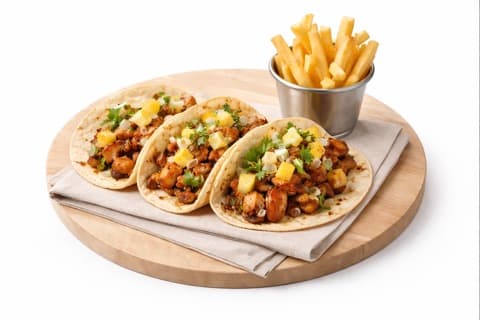
A “simple grilled chicken” can carry soy sauce, beer, or a wheat-flour rub from the marinade stage. If the menu says marinated, ask what is in the marinade. The cooks usually know, even if the server does not.
5. Salad dressings (especially Caesar and miso)
Beyond Worcestershire-laced Caesar, miso dressings can include barley miso (mugi miso), and many bottled ranch and blue cheese dressings use a wheat-derived starch as a stabiliser. House-made vinaigrettes tend to be safer.
6. Battered or breaded items (including fries)
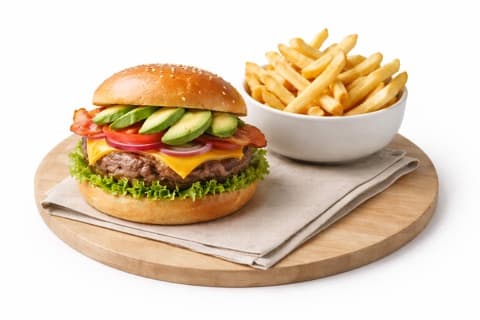
The fries themselves may be naturally gluten-free, but if they share a fryer with breaded chicken, calamari, or onion rings, the oil can carry gluten residue.2 Ask whether the kitchen uses a dedicated gluten-free fryer.
7. Imitation crab and surimi
Most imitation crab is bound with wheat starch. It shows up in California rolls, crab dip, and many salad bars. Real crab is gluten-free; imitation is not.
8. Pre-grated cheese and certain shredded mixes
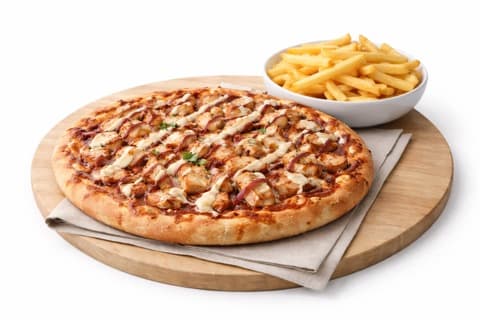
Some pre-grated cheeses use wheat starch to prevent clumping. Restaurants that use bulk pre-grated mozzarella on pizza can carry this in even a “cheese-only” pizza. Less common than it used to be, but worth a single question.
9. Tortilla chips that are fried with flour tortillas
Corn chips are naturally gluten-free. But if a Tex-Mex kitchen fries flour tortillas in the same oil, contamination is near-certain. Ask whether the fryer is shared.
10. Cream-based soups and gravies
A roux (butter + flour) is the standard base for cream sauces, chowders, and most gravies. Restaurants increasingly use cornstarch instead, but the default assumption should be that any creamy sauce or gravy contains wheat flour.
11. Beer-battered or beer-glazed dishes
Beer in a glaze gets reduced down but doesn’t disappear. Even a small amount of barley malt-derived beer disqualifies the dish for celiacs.
12. Garnish you didn’t order
The crouton on the salad. The crispy onion strings on the steak. The fried garnish that came with the gluten-free option. These get forgotten because they’re decoration, not the dish. Always confirm the plate is built without them, not just plated and then de-garnished at the pass.
What to ask your server
Three questions, in this order, get the right answer most of the time:
- Is the kitchen using a dedicated gluten-free fryer and prep area today?
- What’s in the marinade, glaze, or dressing on this dish?
- Can you ask the kitchen to confirm? I’m celiac, not just preference.
The third one matters. The word “celiac” signals a medical condition, not a fad diet, and most kitchens take it more seriously than a generic gluten-free request.