The hardest part of dining out with allergies abroad isn’t the unfamiliar ingredients. It’s the gap between what you can communicate and what the kitchen actually understands. Here’s a playbook for closing it.
Step one: the allergy card
A pre-printed card, in the local language, listing your specific allergens and dietary restrictions tends to beat every other tool.4 Show it before ordering. The server takes it to the kitchen if they are not sure, and the answer that comes back is generally from someone who reads the language and knows the menu.
Free templates exist for many travel languages.2 Print two: one for your wallet, one as a backup. The phone-only version can fail when the battery dies, the screen breaks, or you are in a restaurant with low light and the server cannot read the screen.
Step two: know which cuisines tend to be safer
Some cuisines have inherent advantages for specific allergies. These aren’t guarantees, but they raise the floor.
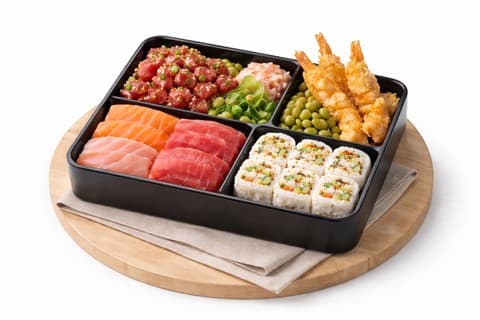
- Japanese (gluten-free with caveats). Most cuisines lean on rice. The catch: standard soy sauce contains wheat. Specify tamari or gluten-free soy sauce.
- Indian (dairy-free with caveats). South Indian dosa, idli, sambar, and most curries are coconut- or tomato-based, not dairy. Ghee is the watch-out.
- Vietnamese. Pho, rice paper rolls, and most grilled-protein-over-rice dishes are naturally gluten-free (skip the dipping sauces with hoisin).
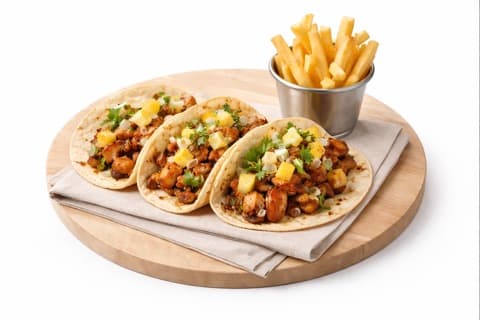
- Mexican (in Mexico, not in the US). Traditional Mexican relies on corn, not wheat. Tortillas, tamales, and most antojitos are gluten-free by default.
- Mediterranean (Greek, Lebanese). Grilled proteins, salads, and most dips are dairy-free and gluten-free with the exception of pita and tabbouleh.
Step three: the cuisines to be cautious about
Conversely, certain cuisines pose elevated risk because the baseline ingredients hide common allergens:
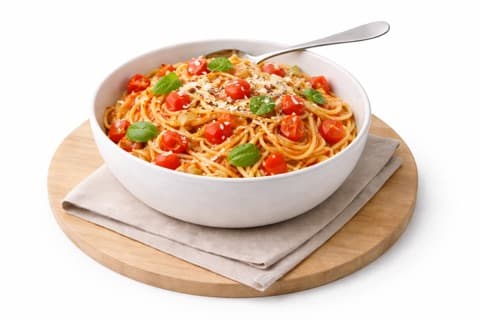
- Northern Italian. Wheat in nearly every dish. GF pasta increasingly available in tourist cities but cross-contamination is the norm.
- Chinese (most regions). Soy sauce, oyster sauce, and wheat-thickened sauces are pervasive.
- French (classic). Roux-based sauces, butter, and cream are the foundation of the cuisine.
- German / Austrian. Bread, beer, schnitzel (breaded), and dumplings. Difficult for gluten-free.
Step four: translation pitfalls
Translation apps handle common phrases well, but culinary vocabulary trips them up. Three common failure modes:
- False cognates. “Sin gluten” in Spain is gluten-free. “Sem glúten” in Brazil is gluten-free. A translation app might give you “libre de gluten” in Spain, which is grammatically correct but not the conventional restaurant phrase a kitchen recognises.
- Regional ingredient names. “Cilantro” in Mexico is “coriander leaves” in the UK is “dhania” in India. A translation app will pick one and miss the others.
- Allergen categories vs ingredients.“Dairy-free” needs to translate to “no milk, cheese, butter, cream, or yogurt” in many cuisines because the category word isn’t commonly used.
Step five: have a fallback plan
The reality of traveling with allergies: sometimes the safer answer is to skip the restaurant. A grocery-store dinner of rice cakes, fruit, and packaged hummus has saved many trips. Most European supermarkets stock clearly-labelled gluten-free, vegan, and dairy-free sections. The label-reading is in the local language, but the EU’s allergen-declaration rule (EU 1169/2011 requires 14 named allergens to be highlighted on every label1) makes it readable with practice.
The one-page checklist before any trip
- Two printed allergy cards in the destination language.
- Doctor’s note translated, with emergency contact info.
- Epinephrine (if prescribed), in carry-on, with prescription label.
- A list of three pre-vetted safe restaurants in each city.
- A backup plan: nearest grocery store and what to buy there.